Legal Description of Property: What It Is, Types and How to Find Yours
A legal description identifies one parcel so it cannot be confused with any other. See the three main types, why an address is not enough and where to find yours.
Quick answer
A legal description is the written identification of a parcel of land that cannot be confused with any other. It is not a street address. The main types are lot and block in a recorded subdivision, metes and bounds, and section, township and range. You can find yours on your deed or the county records.
What is a legal description of property?
The Colorado Division of Property Taxation's assessors' manual puts it this way: the method of land description, called a legal description, "identifies a parcel of real property in such terms that it cannot be confused with any other parcel" (Colorado Assessors' Library, Chapter 13). A county assessor's glossary says the same thing more plainly: it identifies the property "from all other property in the world" (Jefferson County, CO Assessor, Commonly Used Property Description Terms).
That is why every deed carries one. A deed that gives the wrong description can convey the wrong land or fail to convey the land the parties meant. A mortgage uses the same description to say which land secures the loan, and a lien uses it to say which land it attaches to.
People searching for "legal description for a property" are usually trying to fill out a deed, a mortgage form or a permit. The answer is almost always sitting in the vesting deed, the deed that put the current owner on title.
Definition
Legal description — The written description of a parcel of real property in terms that cannot be confused with any other parcel, used in deeds, mortgages and other recorded documents.
Is a street address a legal description?
No. The Jefferson County assessor's page says it in one line: "An address does not qualify as a legal description." An address is how mail and emergency services find a building. It can change when a city renames a street or renumbers a block, and it says nothing about where the land begins and ends.
A legal description is tied to the land and to the public record. It stays the same when the street name changes, and it is what a title search uses to match a deed to the right parcel. A deed that uses only a street address is risky, because the address may point to more than one parcel or to part of one.
What are the main types of legal descriptions?
The Colorado manual lists four primary methods used in that state: the United States governmental survey system (the "rectangular survey system"), metes and bounds, the lot and block system (sometimes called the recorded plat system) and the Colorado Coordinate System. Most places use the first three, and which one you see depends on how the land was surveyed and divided.
| Type | How it identifies the land | Where it is common |
|---|---|---|
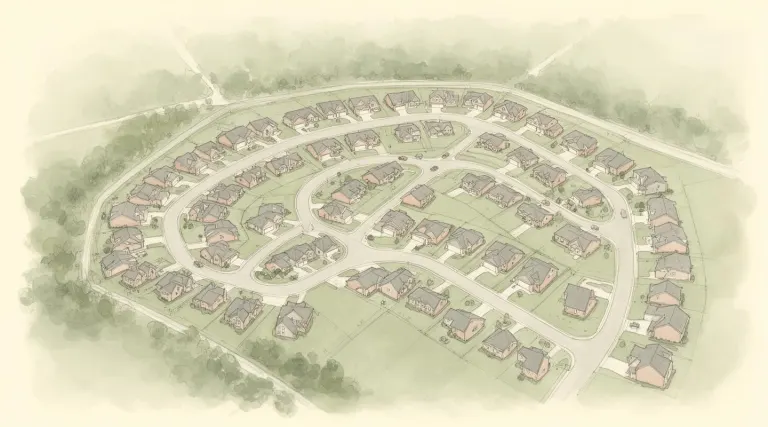
| Lot and block (recorded plat) | A lot and block number in a named subdivision whose plat is recorded | Houses in platted subdivisions, condominiums and most suburbs |
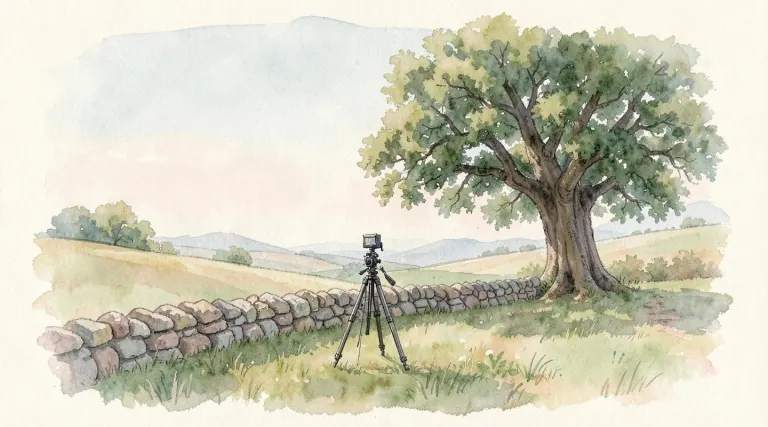
| Metes and bounds | Bearings and distances from a starting point, often tied to roads, creeks or monuments | Older parcels, rural land and land outside a platted subdivision |
| Section, township and range | A tract within a numbered section of a survey grid, with a principal meridian | States surveyed under the federal Public Land Survey System |
What is a lot and block legal description?
This is the form most homeowners in a subdivision see. A developer divides land into lots, a surveyor draws the plat, and the plat is recorded with the county. The Jefferson County assessor describes the plat as a survey that has gone through planning approval, where "The parcels are assigned numbers or letters for block, lot or tracts to identify them on the map."
A lot and block description therefore points to the recorded plat. An invented example, only to show the format: "Lot 12, Block 3, Oak Hill Subdivision, according to the plat recorded in Plat Book 8, page 41, public records of the county." To find the exact boundaries, you open the recorded plat, which is a map filed with the county. See plat map for how to read one.
New York City uses a related idea. Its parcels are identified by borough, block and lot, and the three numbers together are called a BBL. See what is a BBL for that system.
What is a metes and bounds legal description?
A metes and bounds description walks the boundary. The Jefferson County glossary calls it "a way of describing a property that is not in a subdivision by using bearings and distances," and adds that it may also use attributes such as a road, a creek, other recorded documents and monuments on the ground. A surveyor writes these descriptions.
Because it follows the ground, it can be hard to read. It starts at a point of beginning, runs a bearing and distance along each side, and returns to the start. Errors in one measurement can leave the shape unclosed. The separate guide to metes and bounds shows how to read one line by line.
What is a section, township and range description?
Much of the central and western United States was surveyed in a grid. The Stanford Libraries guide says the Public Land Survey System "is also known as the township and range system or the rectangular survey system." A description names a tract by its section, township and range, and ends with the principal meridian that anchors the grid.
The Colorado manual gives the arithmetic: "sections are commonly divided into half sections containing 320 acres, quarter sections containing 160 acres, and so forth." Its example of a 40-acre parcel is the northeast quarter of the southeast quarter of section 6, township 3 north, range 6 west, 6th Principal Meridian. Where a tract is irregular, the grid uses numbered government lots: "Government lots are given individual lot numbers rather than being described by compass directions."
The Stanford guide shows the same location in a shorter coded form for a Nevada parcel: Township 38 North, Range 56 East, Section 10, with the fractions of the section after it. The words and the codes mean the same thing.
A wrong legal description can defeat a deed
How to find the legal description of your property
Look at your deed
The vesting deed, the one that put you on title, contains the full legal description. If you closed on the house, it is in your closing papers.
Ask the county recorder or register of deeds
The recorder indexes deeds by owner name and recording date. A copy of your deed, with the legal description, is available for a small fee, and many counties offer online search.
Check the county assessor or property search
The assessor's record often shows a legal description, sometimes in a condensed form. Use it to find the deed, but confirm against the recorded deed before using it in a document.
Pull the plat or survey if the description cites one
For a lot and block description, open the recorded plat. For metes and bounds, a boundary survey is the check, and for a section description, the survey grid map.
Check the title commitment
On a purchase, the title commitment lists the legal description the insurer will insure. Compare it with the deed and the survey.
Why does the legal description matter in a title search?
A title search follows a parcel through time, not a street address. The recorder indexes most documents by the names of the parties, so the searcher uses the legal description to confirm that every deed and mortgage found for a name really concerns this parcel and not another one the same person owned.
This matters most where the clerk's index does not carry a parcel number. In those counties, matching a document to the property depends on reading its legal description. HeritageDeed's McLennan County, Texas coverage works that way: the report ties each document to the property by its legal description and marks any it could link only by the owner's name.
The legal description also changes over time. A parcel can be split, merged, or replatted, and each change creates a new description. A deed that uses an old description may still be good, but the searcher has to follow the property forward to the current lot.
Where HeritageDeed fits
HeritageDeed reports the deeds, mortgages and liens recorded on a property in the counties on the title search coverage page. A report costs $49. A report starts from a street address and resolves it to the county's parcel, which is the step that connects an address to a legal description. It is not title insurance, a survey or legal advice, and it does not confirm that a legal description is correct.
Key takeaways
Key takeaways
- A legal description identifies one parcel so that it cannot be confused with any other. A street address does not qualify.
- The main types are lot and block in a recorded plat, metes and bounds, and section, township and range.
- The vesting deed, the county recorder and the title commitment are the best places to find yours.
- Copy a legal description exactly from the recorded deed when you prepare a new document.
- In a title search, the legal description is how a document is tied to the right parcel, especially where records are indexed by name.
- Splits, mergers and replats change descriptions over time, so a search follows the parcel forward.
Frequently asked questions
- What is a legal description of a property?
- It is the written identification of a parcel of real property in terms that cannot be confused with any other parcel. It appears in deeds, mortgages and other recorded documents, and it uses a lot and block, metes and bounds or section, township and range system. A street address does not count.
- Where can I find the legal description of my property?
- Start with your deed, which contains it in full. You can also ask the county recorder or register of deeds for a copy of the deed, check the assessor's property record for a condensed version, or look at your title commitment from the purchase. Confirm against the recorded deed before reusing it.
- Is a street address the same as a legal description?
- No. A county assessor's glossary states that an address does not qualify as a legal description. An address can change and can point to more than one parcel. A legal description is tied to the land and the public record, and it is what a deed uses to say which land is conveyed.
- What are the three types of legal descriptions?
- The most common are lot and block, where a parcel is a numbered lot in a recorded subdivision plat, metes and bounds, which describes the boundary by bearings and distances, and section, township and range, which uses the federal survey grid. Some states also use coordinate systems or land grant references.
- What does a section township range legal description look like?
- It names a tract within a section, then the township, range and principal meridian. The Colorado assessors' manual gives an example of a 40-acre parcel: the northeast quarter of the southeast quarter of section 6, township 3 north, range 6 west, 6th Principal Meridian. Sections are commonly divided into halves and quarters.
- Can I use the description from my tax bill on a deed?
- Not safely. A tax bill or assessor record often shows a short or condensed description meant for tax purposes. A deed should copy the full legal description from the recorded deed or the title commitment. Using a shortened version can change the land that is conveyed.
- Why does a title search need the legal description?
- Because recorded documents are often indexed by name, not parcel. The legal description lets a searcher confirm that a deed or mortgage found for a name concerns the right parcel. It also helps follow the land through splits and replats, where the description changes.
Cite this guide
APA
HeritageDeed. (2026, October 17). Legal Description of Property: What It Is, Types and How to Find Yours. https://heritagedeed.com/blog/legal-description-of-property
MLA
“Legal Description of Property: What It Is, Types and How to Find Yours.” HeritageDeed, October 17, 2026, heritagedeed.com/blog/legal-description-of-property.
Link (HTML)
<a href="https://heritagedeed.com/blog/legal-description-of-property">Legal Description of Property: What It Is, Types and How to Find Yours</a> (HeritageDeed)HeritageDeed provides public-record search reports only. Reports do not constitute title insurance, an attorney opinion of title, or a title insurance commitment.